


Some of the most important things we pass on are never written down
There’s something about certain smells that stops you in your tracks.
A stew that’s been simmering all afternoon. Bread just out of the oven. A pie cooling on the side while the kettle boils.
For many families, the heart of home life once lived in a kitchen like that. Not tidy. Not perfect. But full of warmth, routine and small rituals that quietly shaped childhood.
Those meals were never just food. They were part of how love was shown, how time was marked, how family stories were told.
Why these things stay with us
Long after details fade, tastes and smells remain.
They bring back moments we didn’t realise we’d stored. Sitting at the table while someone else cooked. Being allowed to stir the bowl. Sneaking a bit of pastry when no one was looking.
Cooking those same dishes later in life does more than recreate a meal. It reconnects generations. It gives younger family members a sense of where they come from, without needing an explanation.
In that way, recipes carry more than ingredients. They carry memory, culture and continuity.
.png)
What gets lost, quietly
The challenge is that much of this knowledge lives only in habit.
A pinch added without measuring. A dish cooked until it “looks right”. Instructions that were never written down because they never needed to be.
As families change and time moves on, those details can disappear faster than we expect.
Preserving them doesn’t require a big project. It just needs a little intention.
Keeping kitchen traditions alive
Often, the simplest steps make the biggest difference.
Writing recipes down while they’re still familiar. Not perfectly, just honestly, including the small touches that make them yours.
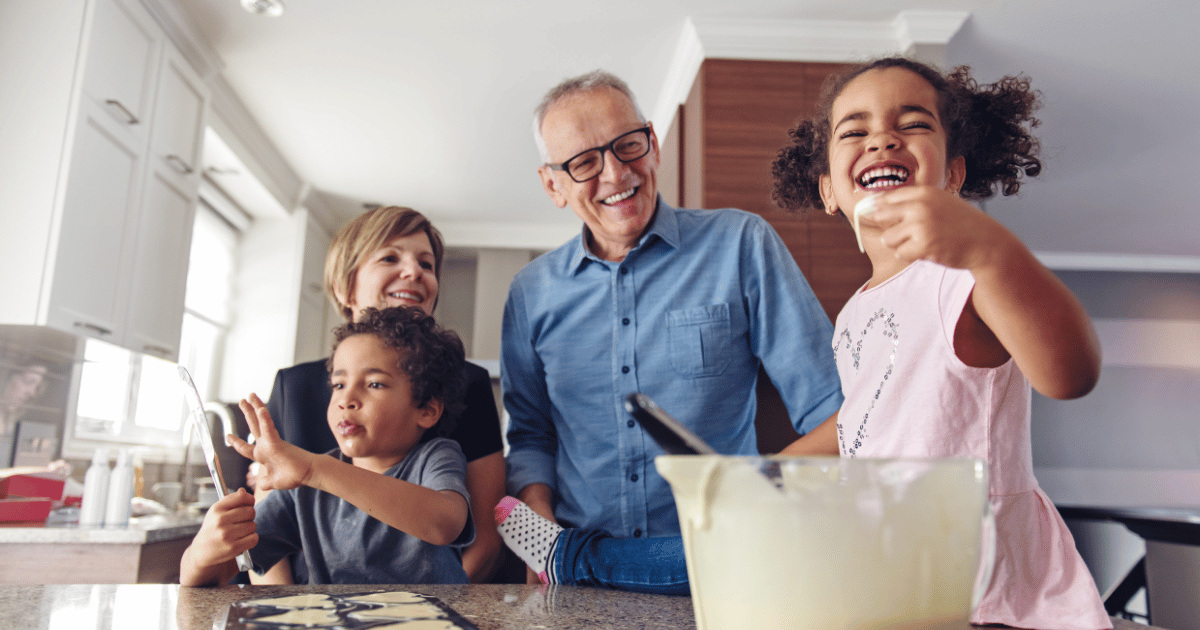
Cooking together, without rushing. Letting children and grandchildren take part, even if it makes more mess and takes more time.
Talking while you cook. Explaining why something matters, or when a dish was usually made, or who taught you in the first place.
Some families gather recipes into a shared notebook or folder. Others record short videos or voice notes. The format matters less than the act of capturing it.
Making room for change
Traditions don’t have to stay frozen to survive.
Recipes can adapt to new tastes, dietary needs or lifestyles. What matters is the thread that connects them to the past.
A lighter version of a favourite dish can still carry the same meaning. A holiday meal cooked on a different day can still feel like home.
What lasts isn’t the exact method. It’s the sense of care passed on with it.
Small moments, lasting impact
Encouraging older relatives to share what they know while they can is a quiet gift to the future.
Even small tips, like how to judge when something’s ready or what never to skip, can mean more than we realise later.
These are the things families rarely think to plan for, yet feel deeply once they’re gone.
Looking ahead
Grandma’s recipes were never meant to be museum pieces.
They were meant to be cooked, shared and adapted, again and again.
With a little thought and a bit of organisation, they don’t have to fade into memory. They can remain part of everyday life, linking generations in the most ordinary and meaningful way.
Sometimes planning ahead isn’t about documents or decisions.
Sometimes it’s about making sure the things that mattered then still have a place now.